Common Commercial Roofing Issues and How to Prevent Them
Understanding common roof problems helps property managers and building owners reduce repair costs, protect daily operations, and extend roof life. When minor concerns are ignored, they can turn into leaks, insulation damage, drainage failures, and structural issues. A proactive approach to commercial roofing makes it easier to identify risks early and plan repairs before they disrupt tenants, employees, or customers.
Beyond immediate repairs, long-term planning also plays an important role in maintaining roof performance. Budgeting for inspections, maintenance, and eventual replacement helps avoid unexpected financial strain. Property owners who stay organized with their roofing plans are often better prepared to handle both minor issues and major upgrades without interrupting business operations.
1. Leak Prevention
Leaks are among the most common problems found on commercial roofs. They often begin around seams, flashing, skylights, drains, vents, or HVAC equipment. Poor installation, aging materials, storm damage, and worn sealants can all allow water to enter the building. Once moisture reaches insulation or interior spaces, repairs become more complicated and expensive.
Routine inspections are one of the best ways to prevent leaks. Building owners should check for water stains, bubbling materials, loose flashing, punctures, and standing water after heavy storms. Professional inspections can also uncover hidden moisture through advanced tools and closer surface evaluation. Addressing these concerns early helps protect the entire commercial roofing system from deeper damage.
It is also helpful to document leak locations and repair history over time. Tracking patterns can reveal recurring problem areas that may require more permanent solutions. This type of recordkeeping strengthens decision-making and supports more effective long-term roof management strategies.
2. Moisture Accumulation
Moisture can collect when drainage systems are clogged, roof slopes are inadequate, or surface materials begin to deteriorate. Over time, trapped water can weaken insulation, encourage mold growth, and reduce indoor comfort. Moisture problems may also affect ceilings, walls, inventory, and electrical systems inside the building.
Preventing moisture accumulation requires clean drains, well-maintained gutters, properly sealed penetrations, and prompt repairs. Protective coatings may also help create an added barrier against water intrusion. For commercial roofing, moisture control should always be treated as a long-term maintenance priority rather than a one-time repair concern.
In addition, ventilation systems can influence how moisture behaves within a building. Proper airflow helps reduce condensation, especially in areas with fluctuating temperatures. Coordinating roofing and ventilation strategies ensures a more balanced indoor environment and reduces the likelihood of hidden moisture damage.
3. Installation Quality
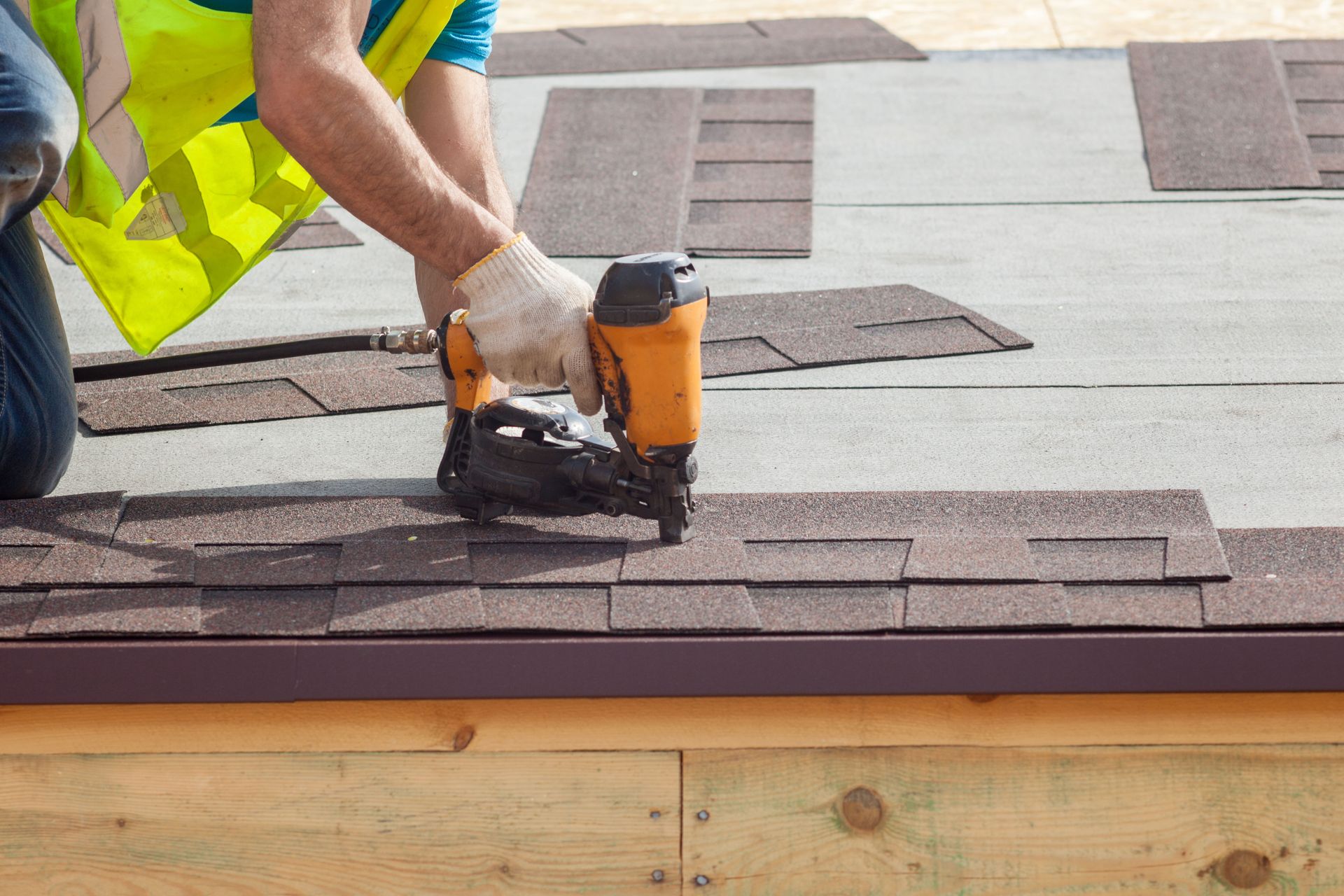
Poor installation can shorten the life of a roof from the beginning. Wrinkled membranes, uneven materials, exposed fasteners, weak seams, and poorly sealed flashing may all point to installation problems. These issues can lead to repeated repairs and may even affect warranties if manufacturer guidelines were not followed.
Choosing qualified contractors is one of the most important steps in preventing these problems. Building owners should review credentials, references, insurance, manufacturer certifications, and past project experience. A final quality inspection after installation can also confirm that the commercial roofing work meets expected standards before the project is considered complete.
Clear communication during the installation process is equally important. Establishing expectations, timelines, and inspection checkpoints helps reduce misunderstandings and keeps the project on track. A well-managed installation creates a stronger foundation for long-term roof performance.
4. Maintenance Planning
A lack of maintenance allows small issues to grow unnoticed. Debris, loose materials, clogged drains, damaged flashing, and surface wear can all become serious problems when left untreated. A clear maintenance schedule helps property managers stay organized and reduces the chance of overlooking critical roof areas.
Maintenance should include seasonal inspections, storm checks, debris removal, drainage cleaning, surface reviews, and documentation of all findings. Keeping detailed records helps track roof condition over time and supports better repair planning. With consistent maintenance, commercial roofing can perform more reliably and avoid many preventable failures.
Maintenance teams should also prioritize safety during inspections and repairs. Using proper equipment, following safety protocols, and coordinating access to the roof reduces the risk of accidents. Safe maintenance practices support both worker well-being and the integrity of the roof system.
5. Weather Protection
Weather can place significant stress on commercial roofs. UV exposure may dry out or crack materials, while high winds can loosen components or lift edges. Hail, heavy rain, snow, and temperature swings can also create damage that is not always visible from ground level.
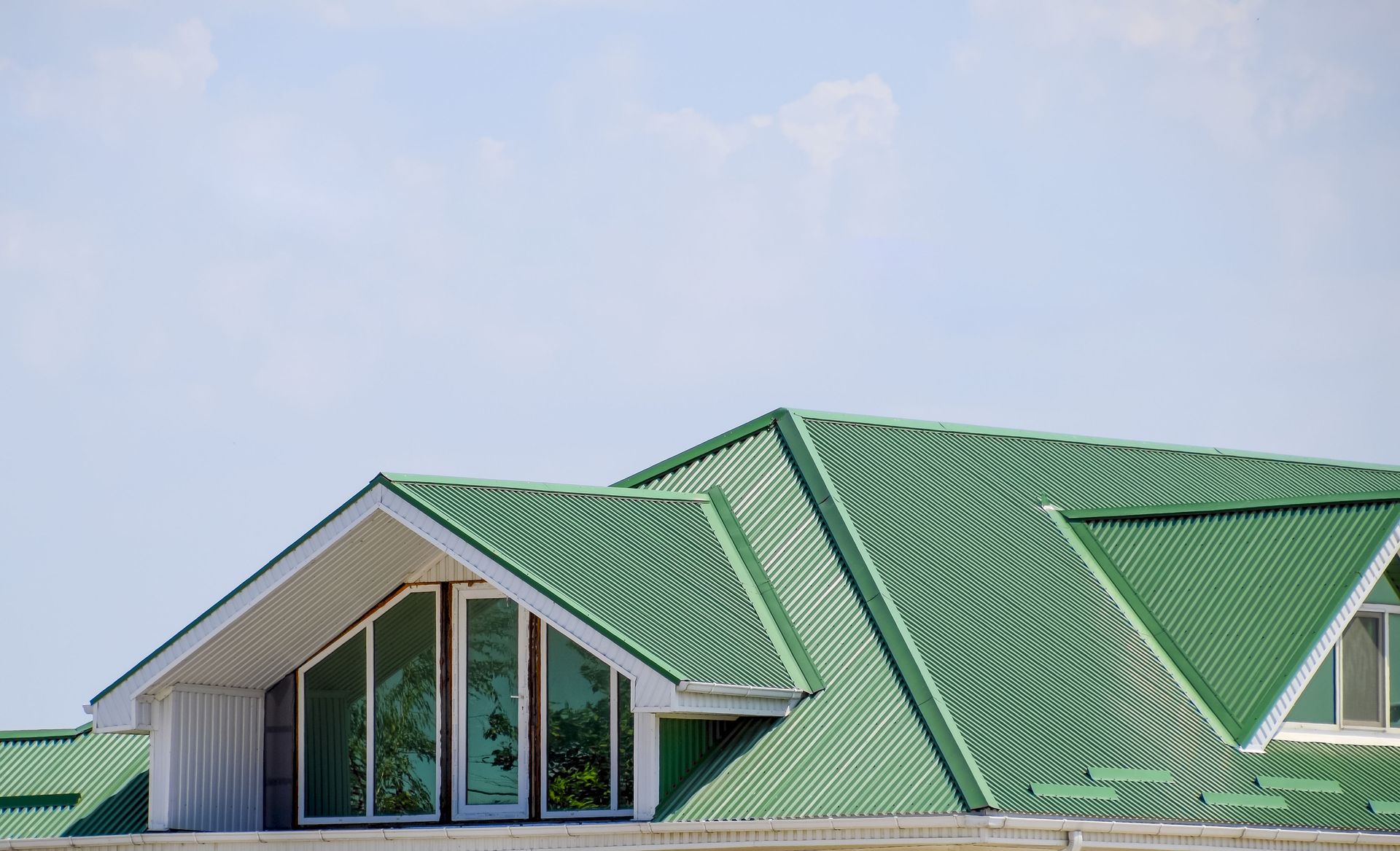
Using durable materials helps reduce weather-related wear. Reflective coatings can limit heat absorption, while impact-resistant materials may provide added protection in storm-prone areas. According to Gitnux, metal roofing now covers 22% of new U.S. commercial roofs, largely because it can adapt well to different climate conditions. Matching materials to local weather patterns helps support stronger commercial roofing performance.
Regular post-storm inspections are especially valuable. Even if damage appears minimal, small issues can worsen over time if they go unnoticed. Quick evaluations after severe weather events help ensure that repairs are completed before problems spread.
6. Rooftop Traffic Control
Rooftop traffic can damage membranes, seams, and surface coatings. Maintenance workers, HVAC technicians, inspectors, and equipment installers may unintentionally create punctures or wear paths if access is not controlled. These problems are especially common around mechanical units and frequently used service routes.
Designated walkways, access rules, and staff training can reduce unnecessary damage. Protective pads help distribute weight and guide movement across safer roof areas. Anyone accessing the roof should understand where to walk, what areas to avoid, and how to report visible damage. Careful traffic control is an important part of commercial roofing protection.
Limiting unnecessary access also helps preserve the roof’s condition. When only trained personnel are allowed on the surface, the likelihood of accidental damage decreases. Clear policies create accountability and help extend the life of the roofing system.
7. Drainage Performance
Drainage problems often begin with clogged gutters, blocked drains, damaged downspouts, or inadequate slope. When water cannot move off the roof properly, it may pool on the surface and place extra stress on roofing materials. Standing water can also increase the risk of leaks, algae growth, and premature deterioration.
Routine cleaning is essential for dependable drainage. Leaves, dirt, branches, and other debris should be removed before they block water flow. Property owners may also need to upgrade gutters, scuppers, downspouts, or internal drains if the current system cannot handle heavy rainfall. Strong drainage design helps commercial roofing withstand changing weather and daily exposure.
Advanced drainage solutions, such as improved slope design or modern drainage components, can further enhance performance. Investing in these upgrades can prevent long-term issues and improve overall roof efficiency, especially in regions with frequent storms or heavy rainfall.
8. Emergency Preparation
Even well-maintained roofs can be affected by severe weather or unexpected damage. Having an emergency plan helps reduce downtime and repair costs. This plan should include contractor contact information, inspection procedures, safety steps, and a process for documenting roof damage after storms.
Fast response matters because delays can allow water intrusion to spread. Property managers should know who to call, how to restrict unsafe areas, and when to schedule professional repairs. Emergency preparation gives building owners more control when sudden roof problems occur.
Regularly reviewing emergency procedures ensures that teams are ready to respond effectively. Updating contact lists, confirming contractor availability, and practicing response steps can improve efficiency during real situations. Preparedness strengthens overall roof management and minimizes disruption.
By staying proactive, building owners can protect their properties, reduce costly disruptions, and extend roof performance. A consistent maintenance plan supports long-term value and helps keep the building safer, drier, and more reliable. Investing in prevention, planning, and professional support ultimately leads to better outcomes for both the building and its occupants. Contact Regan Roofing, Inc today and learn more about our roofing services.
Share On: