
How to Handle Roof Damage After a Storm
The sudden roar of a storm can leave any homeowner feeling unsettled, especially when the sound of wind and rain subsides to reveal the aftermath of nature’s power. When the clouds clear, the immediate concern often shifts toward the structural integrity of the shelter overhead. Assessing the impact of a severe weather event is a critical task that requires a calm mind and a systematic approach to ensure that your property remains safe and dry. Ignoring minor signs of wear can lead to significant issues down the line, including leaks that compromise the interior of your home or structural rot that becomes difficult to manage.
By understanding how to move through these steps effectively, you can protect your investment and ensure your family remains secure. The journey toward a full restoration begins with a careful evaluation of the exterior, followed by a strategic plan to bring in experts who specialize in storm recovery.
Assessing the Visible Damage
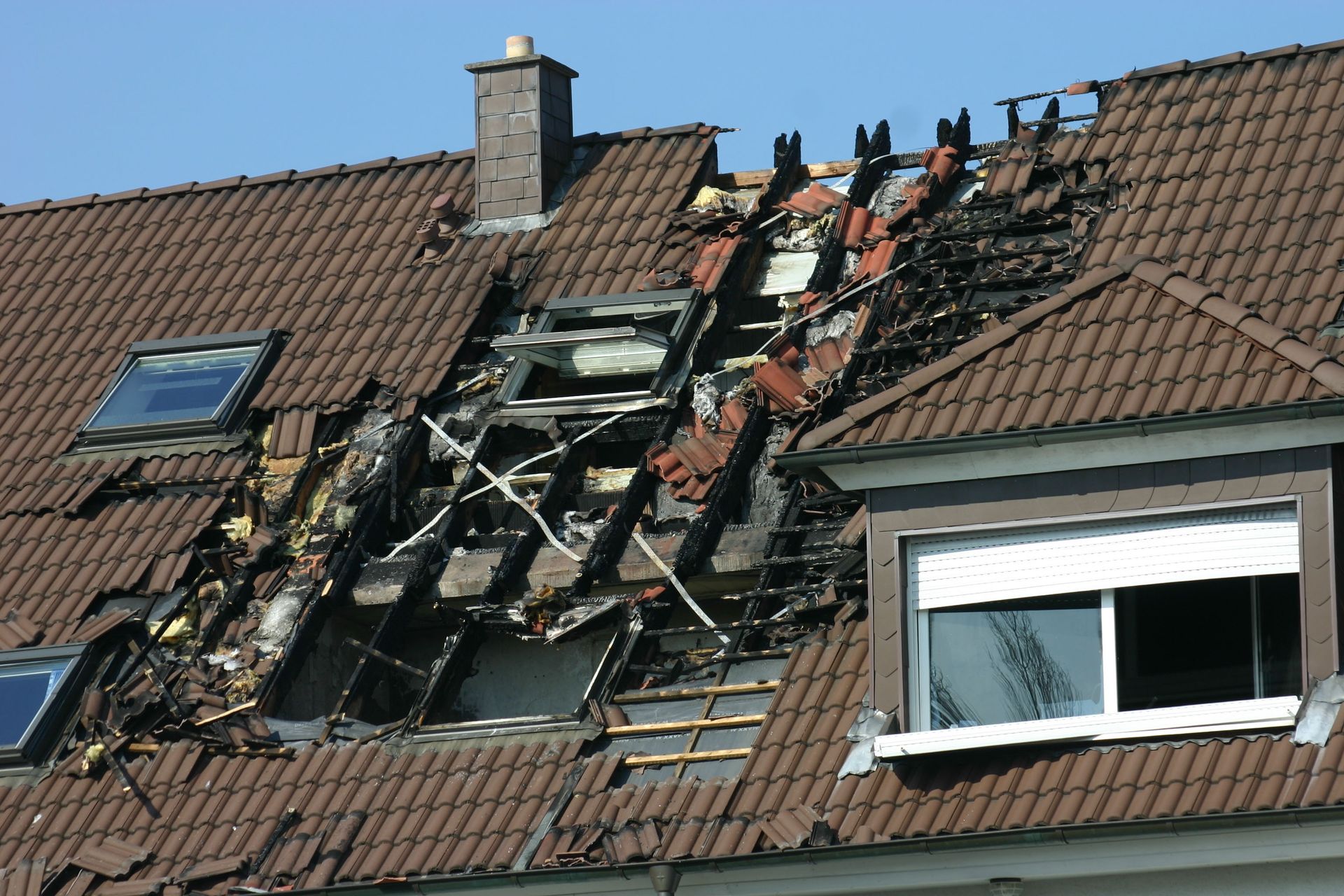
The initial step in managing a post-storm situation is a thorough visual inspection from the safety of the ground. It is vital to walk around the entire perimeter of the property to look for obvious signs of distress. Large branches resting on the structure, shingles scattered across the lawn, or dented metal flashing are all indicators that the weather took a toll. While it might be tempting to climb up for a closer look, the surfaces are often slippery and unstable after a heavy downpour. It is much safer to use binoculars to scan the peaks and valleys for any areas where the underlayment might be exposed to the elements.
Inside the home, you should check the upper levels and the attic for any damp spots on the ceiling or walls. Moisture can travel along rafters, making the entry point difficult to find without professional training. If you notice a musty odor or visible dripping, it is a clear sign that the barrier has been breached. Documenting these findings with photographs is a helpful way to keep a record of the progression of any leaks. This documentation provides a clear timeline for those who will eventually perform the repairs, helping them pinpoint the most vulnerable sections of the structure.
Contacting Your Insurance Provider
Once you have a general idea of the extent of the issues, reaching out to your insurance company should be a top priority. Most homeowner policies cover damage caused by wind, hail, or falling debris, but there are often strict windows of time for filing a claim. Explaining the situation clearly and providing the photos you took during your initial walk-through will help move the process along. The insurance representative will likely assign an adjuster to visit the property and provide an official estimate of the loss.
It is important to remember that the adjuster’s role is to evaluate the damage based on the policy language. Having a representative from a reputable roofing company present during the adjuster’s visit can be incredibly beneficial. This ensures that no hidden issues, such as compromised structural supports or subtle hail bruising, are overlooked during the inspection.
Scheduling a Professional Inspection
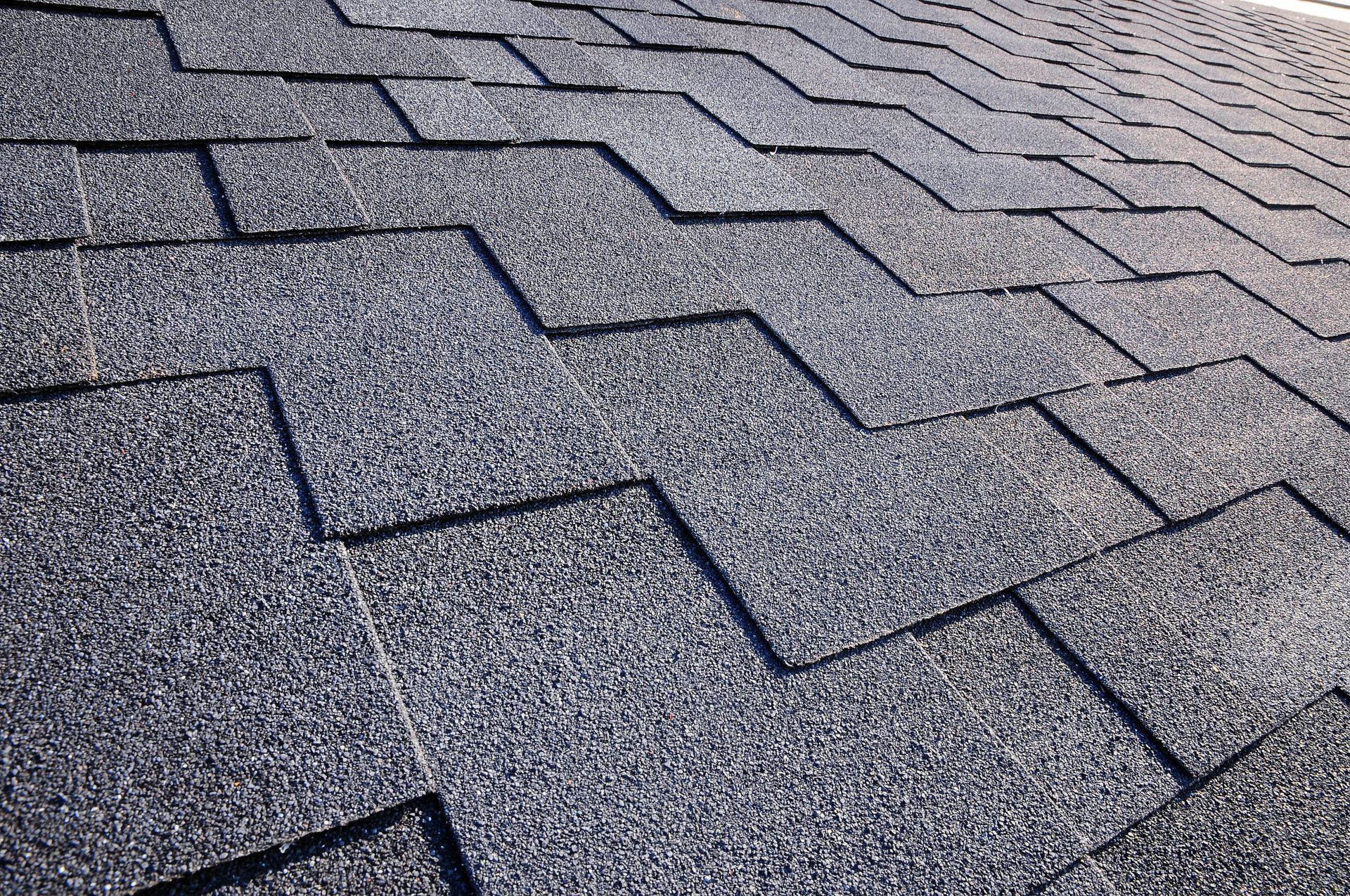
While a personal visual scan is a great starting point, it cannot replace the depth of a professional evaluation. A certified roofing company has the tools and expertise to find damage that the untrained eye might miss. For instance, hail damage on asphalt shingles often appears as small, dark spots that look like natural wear but actually represent a loss of protective granules. Over time, these spots weaken the material, leading to premature failure.
A comprehensive inspection report should include a detailed breakdown of the required materials and labor. This report serves as your roadmap for the restoration process. It helps you understand whether a simple patch will suffice or if the severity of the storm necessitates a more extensive overhaul. According to RubyHome, approximately 33% of roofs are replaced each year due to storm damage. This statistic highlights just how common it is for weather patterns to dictate the lifespan of a home’s exterior.
Reviewing the Detailed Estimates
After the inspection is complete, you will receive a formal estimate for the restoration work. This document should be transparent and easy to understand, outlining the specific types of shingles, underlayment, and flashing that will be used. A trustworthy roofing company will take the time to explain the various options available to you, especially if there are modern materials that offer better wind resistance than what was previously installed. Comparing estimates is a standard part of the process, but the focus should always be on the quality of the components and the reputation of the service provider.
- Look for clear pricing regarding debris removal and disposal fees.
- Ensure the estimate includes the replacement of all damaged accessories, like vents.
- Verify that the labor warranty is explicitly stated in the paperwork.
- Check that the proposed materials meet current local building codes.
Selecting a partner based solely on the lowest price can sometimes lead to complications if the work is not performed to industry standards. High-quality craftsmanship is what ultimately keeps the interior of your home dry during the next season of storms. Taking the time to vet the credentials and previous work of the roofing company you choose will provide peace of mind that the job will be handled with precision and care.
Securing the Work Site
Before the heavy lifting begins, there are several steps you can take to prepare your property for the arrival of the crew. Clearing the driveway and moving vehicles away from the house ensures that the workers have plenty of room to stage materials and equipment. It is also a good idea to move outdoor furniture, potted plants, and grills to a safe distance to prevent any accidental damage from falling debris. A professional roofing company will usually provide a list of suggestions to help the process go as smoothly as possible for both the residents and the technicians.
Inside the house, the vibrations from hammers and heavy foot traffic can occasionally cause dust to fall from the attic or pictures to shift on the walls. Taking down fragile items and covering storage bins in the attic with plastic sheets can save a lot of cleaning time later. Communicating with your neighbors about the upcoming project is also a polite gesture, as the noise and presence of large trucks can be a temporary disruption.
Finalizing the Restoration Process
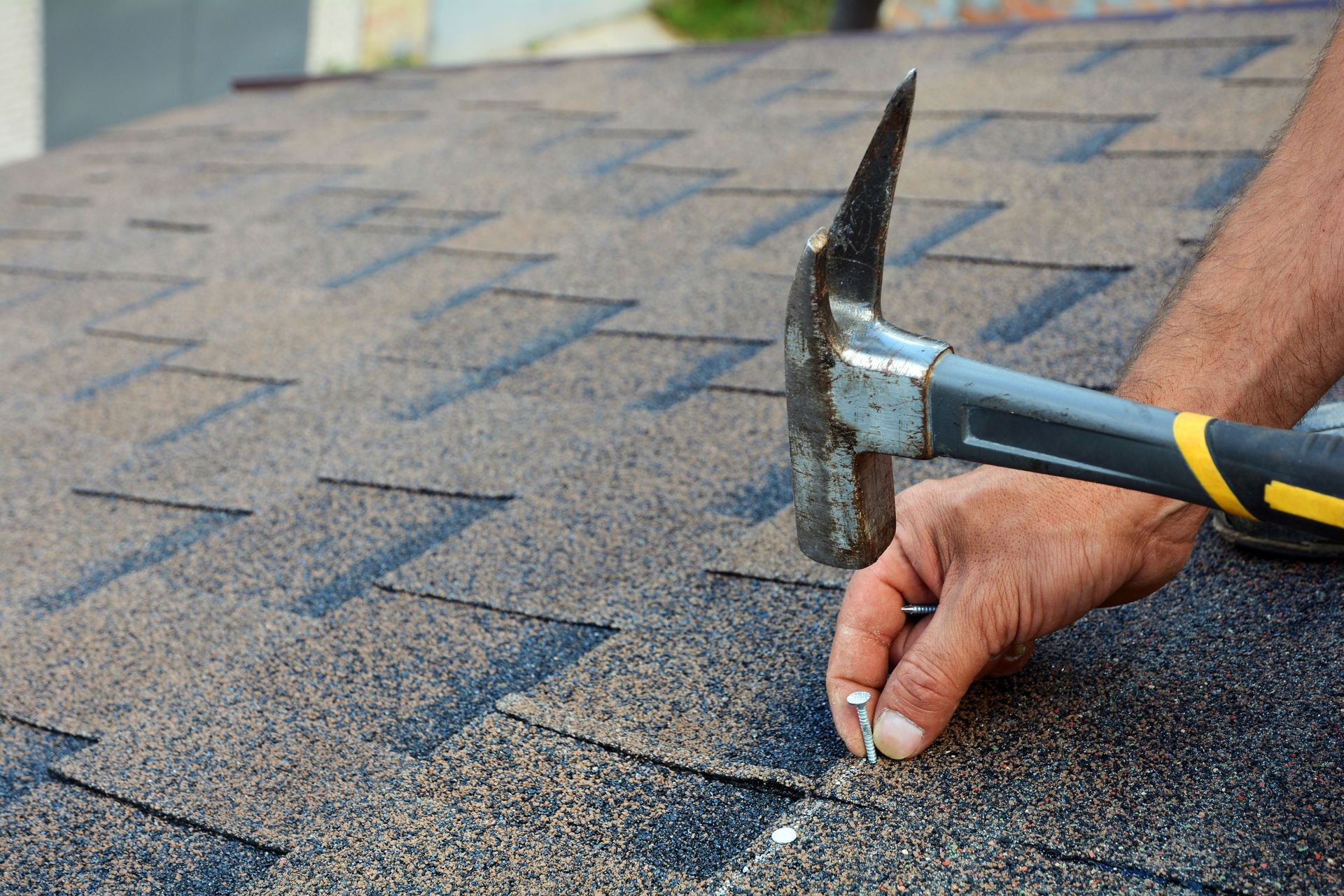
As the project nears completion, a final walk-through is essential to ensure every detail has been addressed according to the contract. This is the time to check that all gutters are clear of nails and scraps, and that the yard has been thoroughly swept with a magnetic tool to catch any stray fasteners. A high-quality roofing company takes pride in leaving a property cleaner than it found it. They will also provide you with the necessary documentation for your warranties, which are vital for the long-term protection of your home.
The final phase of the recovery journey is the closing of the insurance claim. Once the work is finished and inspected, the insurance company will typically release the final portion of the funds. Keeping a dedicated file with all the receipts, contracts, and photos will be helpful if you ever decide to sell your home, as it proves that the structure has been professionally maintained. While a storm is an unwanted event, the resulting upgrades can actually improve the value and curb appeal of your property. For those who need a reliable partner to navigate these challenges, Regan Roofing, Inc stands ready to provide the expertise and quality service required to restore your home to its peak condition.
Share On: