
What to Expect During Your Roof Installation
Understanding the roof installation process can significantly alleviate the stress associated with such a major home renovation. Your roof is a crucial component of your home's structure, protecting the interior from the elements. This article aims to provide a comprehensive guide to help homeowners navigate each stage, from preparations to post-installation inspections and ongoing maintenance. Knowing what to expect can help you make informed decisions, avoid unexpected setbacks, and ensure a smooth installation process. By demystifying the process, we aim to empower you to oversee your roof installation with confidence and clarity. When you choose a professional roofing company, you are ensuring that your home remains a haven for your family for many years to come.
Initial Assessment of the Existing Roof Decking
The first step in a successful roof installation is evaluating the existing roof structure. This assessment helps determine the condition of the current roof and identify any underlying structural issues that need addressing. A thorough inspection includes checking for signs of water damage, mold, and structural vulnerabilities. It's crucial to address these issues early to prevent further damage during or after the installation. By understanding the current state of your roof, you can make informed decisions about required repairs or reinforcements needed before proceeding with new material installation. A reputable roofing company will take the time to explain these findings clearly to the homeowner.
Selecting Durable Materials for the New System
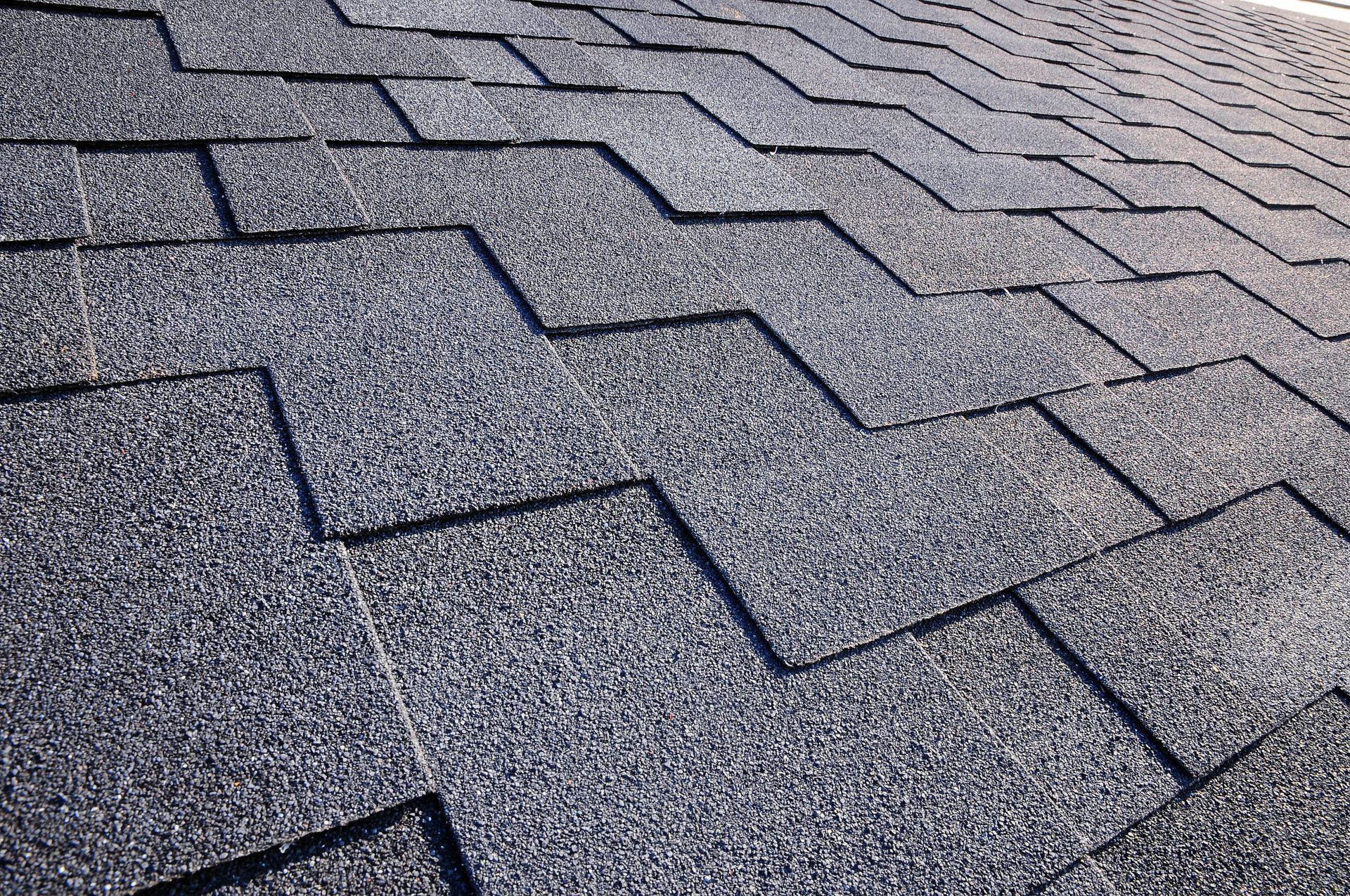
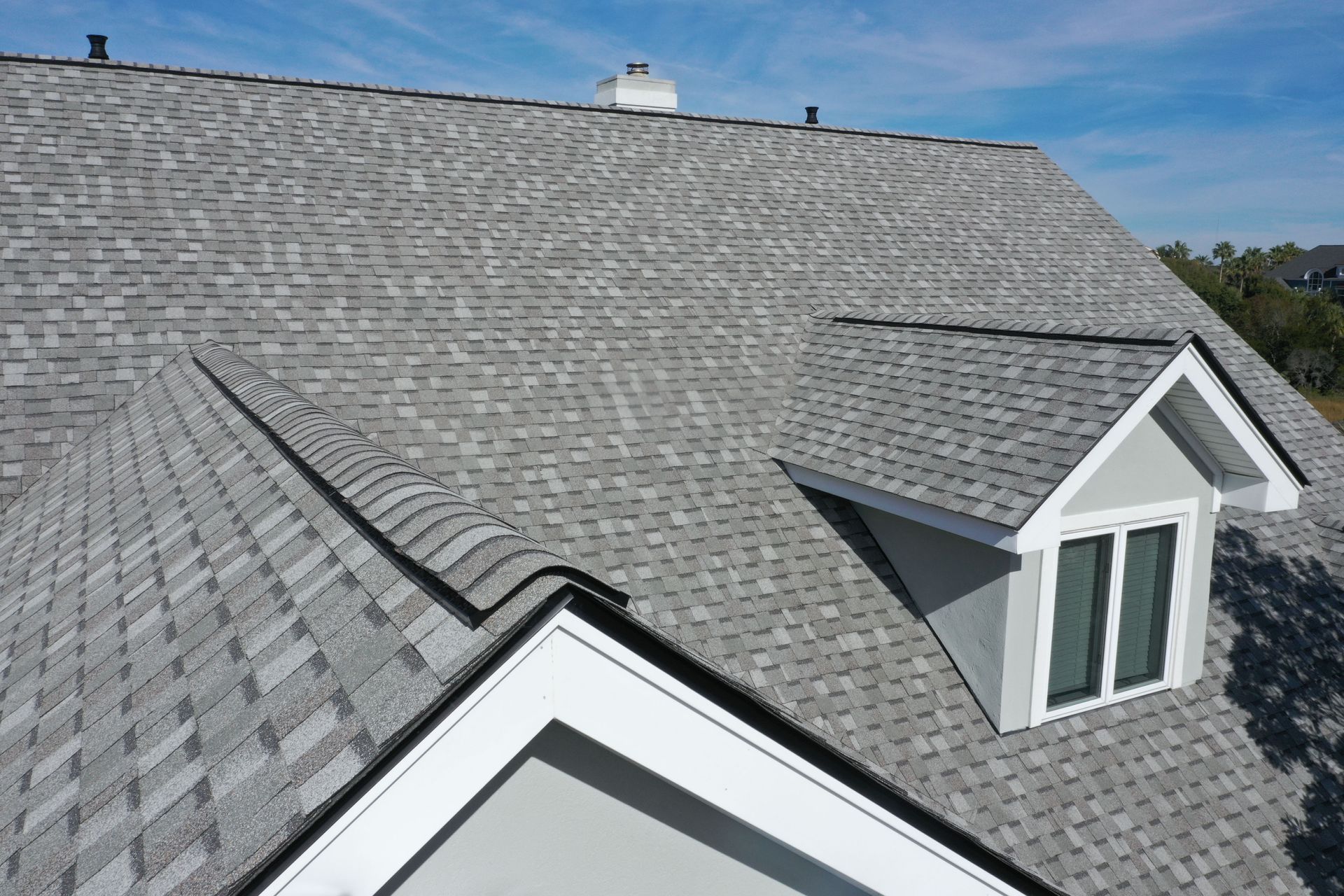
Choosing the appropriate roofing material is pivotal for both aesthetic and functional reasons. Factors such as climate, budget, and desired lifespan impact the decision-making process. In colder climates, materials like asphalt shingles or metal roofing can provide effective protection against harsh weather conditions. Conversely, clay tiles or reflective roofing materials may be more suitable for hotter environments to minimize heat absorption. Balancing these considerations can lead to a durable, cost-effective, and visually appealing roof that suits your specific needs. Working with an established roofing company allows you to browse various samples that match your home's unique architectural style and color palette.
Securing Permits and Managing Project Timelines
Before any roof installation can begin, obtaining the necessary permits is imperative. These permits ensure that your new roof adheres to local building codes and safety regulations, preventing future legal issues. The process for acquiring permits may vary depending on your location, each governed by different municipal regulations and requirements. Typically, this involves submitting an application, along with the detailed plans of the intended work, to your local building department. According to Medium, a homeowner can anticipate that the timeline for a full roof setup will span from 3 to 7 days. Your chosen roofing company will often handle the paperwork to ensure the project remains compliant with city ordinances.
Prioritizing Safety and Efficient Debris Removal
The safe removal of old roofing materials is fundamental in preparing for new installation. Safety protocols are paramount to protect both workers and the property itself during this phase. Professionals must ensure compliance with industry regulations, equipping workers with necessary protective gear. This includes helmets, harnesses, and non-slip shoes to mitigate the risks of falls or accidents. Clear communication of roles and responsibilities helps to prevent potential hazards, ensuring a safe working environment. A high-quality roofer will utilize specialized equipment to protect your landscaping and ensure that all old shingles are disposed of in an environmentally friendly manner.
Applying Underlayment and Critical Moisture Barriers
Underlayment installation is a crucial first step in the protective layering process of a new roof. Serving as a moisture barrier, the levels of material protect decking from water infiltration and adverse weather conditions. Choosing high-quality materials adds an essential layer of defense, enhancing the overall durability of your roofing system. Properly installed layers provide insulation benefits, contributing to energy efficiency and home comfort. Ensuring thorough coverage and seamless installation helps mitigate potential leaks and preserves structural integrity. When you hire a roofing company, they will verify that every square inch of the deck is covered before the first shingle is even nailed down.
Installing Insulation for Enhanced Energy Efficiency
Insulation is vital to enhance energy efficiency, regulate indoor climate, and ensure overall comfort in your home. During a roof installation, it offers an opportunity to reassess and upgrade your home's insulation to modern standards. The correct installation minimizes heat transfer, reducing heating and cooling energy consumption and lowering utility bills. Insulation's thermal resistance, measured by its R-value, determines its effectiveness in regulating temperature. Carefully selecting insulation materials that offer superior R-values can optimize energy savings and environmental performance. An experienced roofing company understands how proper attic ventilation works in tandem with insulation to prevent ice dams and moisture buildup.
Conducting Final Inspections and Project Cleanup
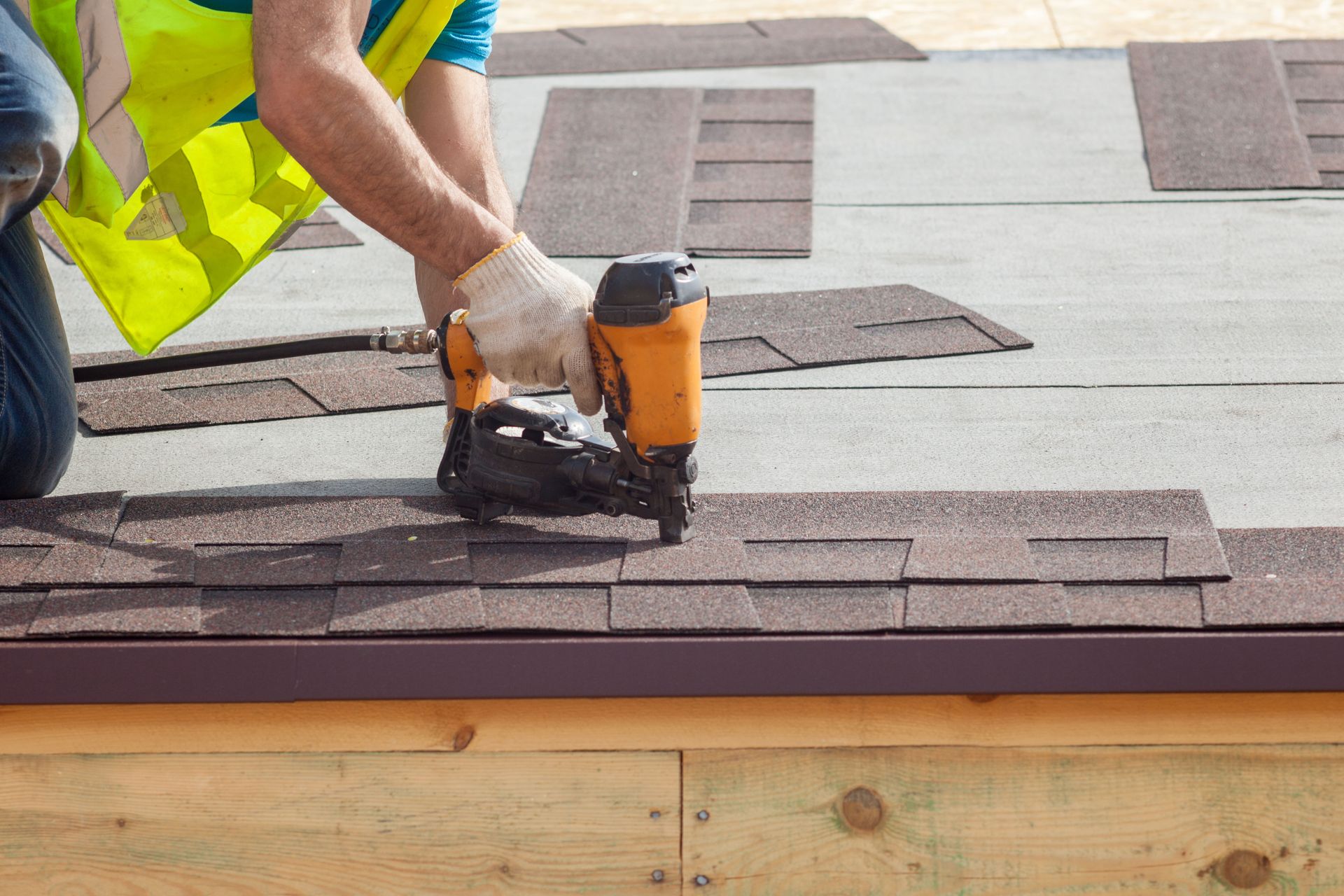
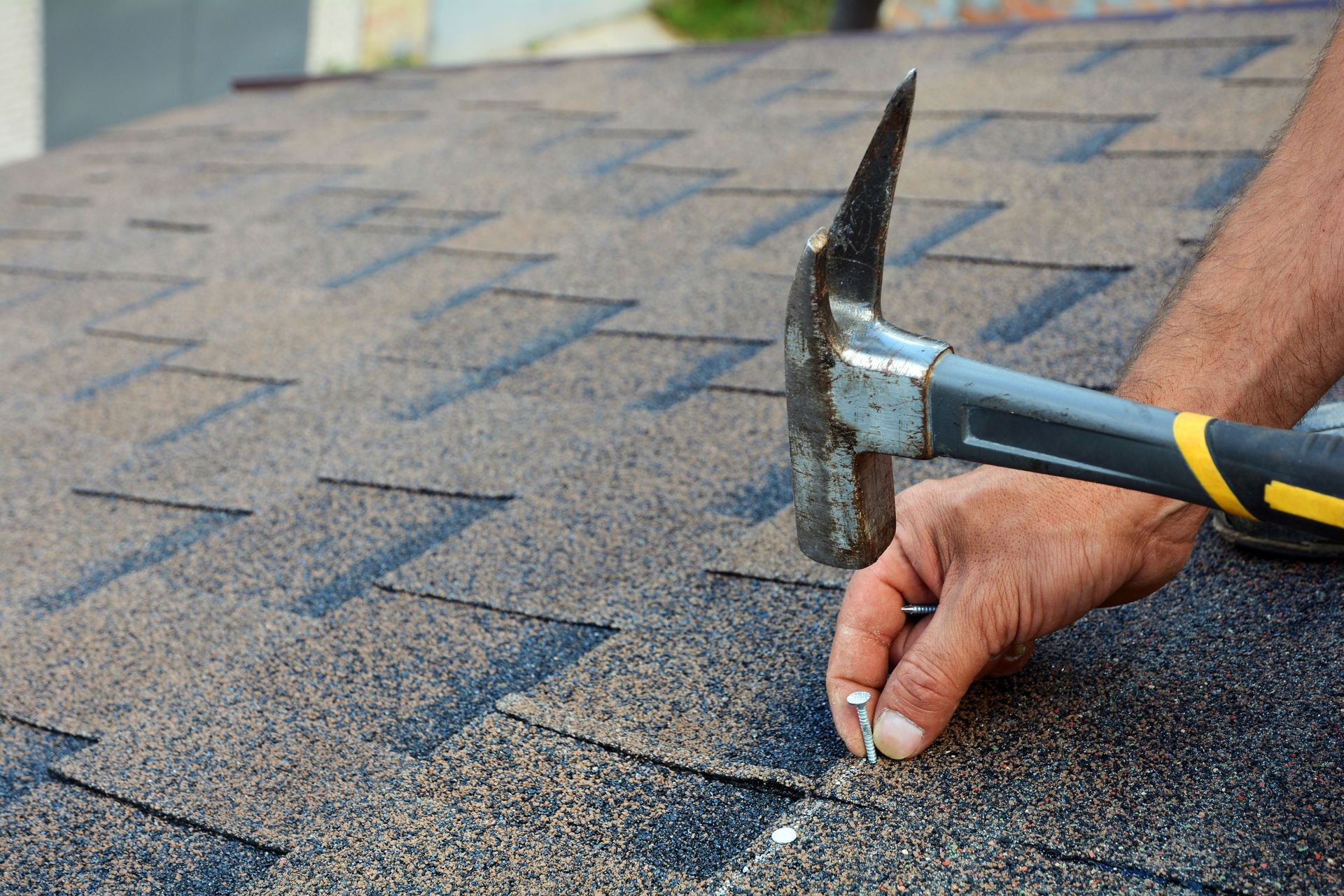
Once the shingles or tiles are in place, the process enters the final phase of quality assurance. This involves a meticulous walk-through to ensure that every component, from the flashing to the ridge vents, is installed according to the highest industry standards. A clean job site is just as important as the roof itself, so the crew will perform a final sweep for stray nails or debris using magnetic tools. This attention to detail is the hallmark of a premier roofing company. After the site is cleared, a final inspection is often performed by a supervisor to guarantee that the project meets all expectations and provides the protection your home deserves.
Integrating Gutters and Efficient Drainage Systems
While the roof's primary job is to shed water, a truly effective system requires a seamless transition to the gutters and downspouts. During the installation process, it is vital to inspect the existing drainage hardware to ensure it can handle the volume of runoff from the new material. If gutters are sagging, clogged, or improperly pitched, water can back up under the fresh shingles or spill over the sides, leading to foundation erosion and basement flooding. Many homeowners choose to upgrade to seamless aluminum gutters or install leaf guards during a roof replacement to minimize future maintenance. A professional installer will ensure that the drip edge, a metal flashing installed at the roof's edge, is correctly positioned to direct water into the gutters rather than behind them. This integration is a critical final step in fortifying your home against heavy rainfall and preventing long-term water damage to the fascia and soffit boards.
Establishing a Post-Installation Maintenance Routine
Once the heavy lifting is complete, the longevity of your new roof depends heavily on consistent, proactive care. A "set it and forget it" mentality can lead to minor issues escalating into costly repairs over time. Homeowners should schedule a professional inspection at least once a year, preferably after the autumn leaves have fallen, to clear debris from valleys and around chimneys. These areas are prone to "damming," where trapped organic matter holds moisture against the shingles and accelerates rot. Additionally, checking for any loose or wind-damaged shingles after major storms can prevent small leaks from compromising the underlayment. Keeping nearby tree branches trimmed at least six feet away from the roofline is also essential to prevent physical abrasions and limit the access of pests. By committing to a basic maintenance schedule, you effectively extend the life of your investment and ensure that the structural integrity of your home remains uncompromised for decades.
A new roof is one of the most significant investments you can make in your property, providing long-term security and increasing overall market value. By understanding the timeline, the importance of structural repairs, and the necessity of high-quality materials, you can approach the process with peace of mind. Every step, from the initial teardown to the final inspection, is designed to ensure that the finished product is both beautiful and resilient. Selecting a local roofing company ensures that you have a dedicated partner who understands the specific weather challenges of your region. For personalized service and a commitment to excellence, contact Regan Roofing, Inc today.
Share On: