
Top 10 Causes of Roof Leaks and How to Prevent Them
A roof is one of the most important components of any home, providing protection from the elements and helping maintain a safe, comfortable indoor environment. However, even a well-built roof can develop leaks over time. When left unaddressed, roof leaks can lead to water damage, mold growth, insulation problems, structural issues, and costly repairs. Understanding what causes leaks and how to prevent them can help homeowners protect their property and avoid unexpected expenses.
Roof leaks can occur for a variety of reasons, ranging from severe weather and aging materials to poor maintenance and installation issues. While some leaks may seem minor at first, they often worsen over time if not repaired promptly. Regular inspections and preventative maintenance can significantly reduce the risk of water intrusion and extend the life of a roofing system.
The need for professional roof repairs is more common than many homeowners realize. According to the Roofing Contractors, approximately 45% of homeowners require professional roof repair services every five to seven years because of weather-related damage, leaks, or normal wear and tear. By understanding the most common causes of roof leaks, homeowners can take proactive steps to prevent problems before they become major concerns. In this article, we will explore the top causes of roof leaks and discuss practical ways to prevent them.
1. Damaged or Missing Shingles
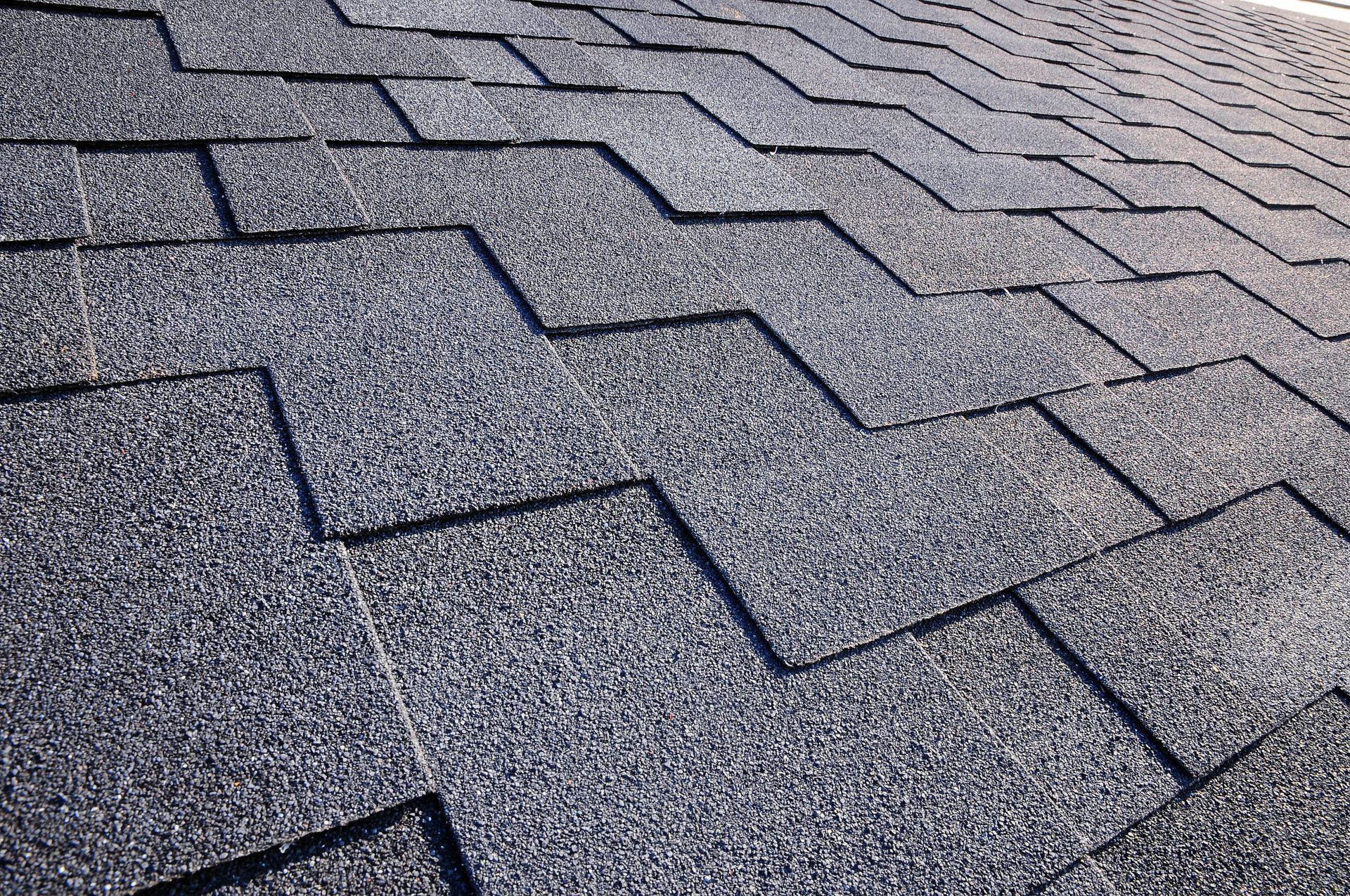
One of the most common causes of roof leaks is damaged or missing shingles. Shingles serve as the roof's first line of defense against rain, snow, and wind. When they become cracked, curled, loose, or completely detached, water can penetrate the roofing system and reach the underlying structure.
Severe weather events, including strong winds, hailstorms, and heavy rainfall, can cause significant shingle damage. Over time, prolonged exposure to sunlight and fluctuating temperatures can also weaken roofing materials.
To prevent leaks caused by damaged shingles, homeowners should schedule regular roof inspections and replace any compromised shingles as soon as possible. Experienced roofers can identify early signs of damage and recommend appropriate repairs before leaks develop.
2. Cracked or Deteriorated Flashing
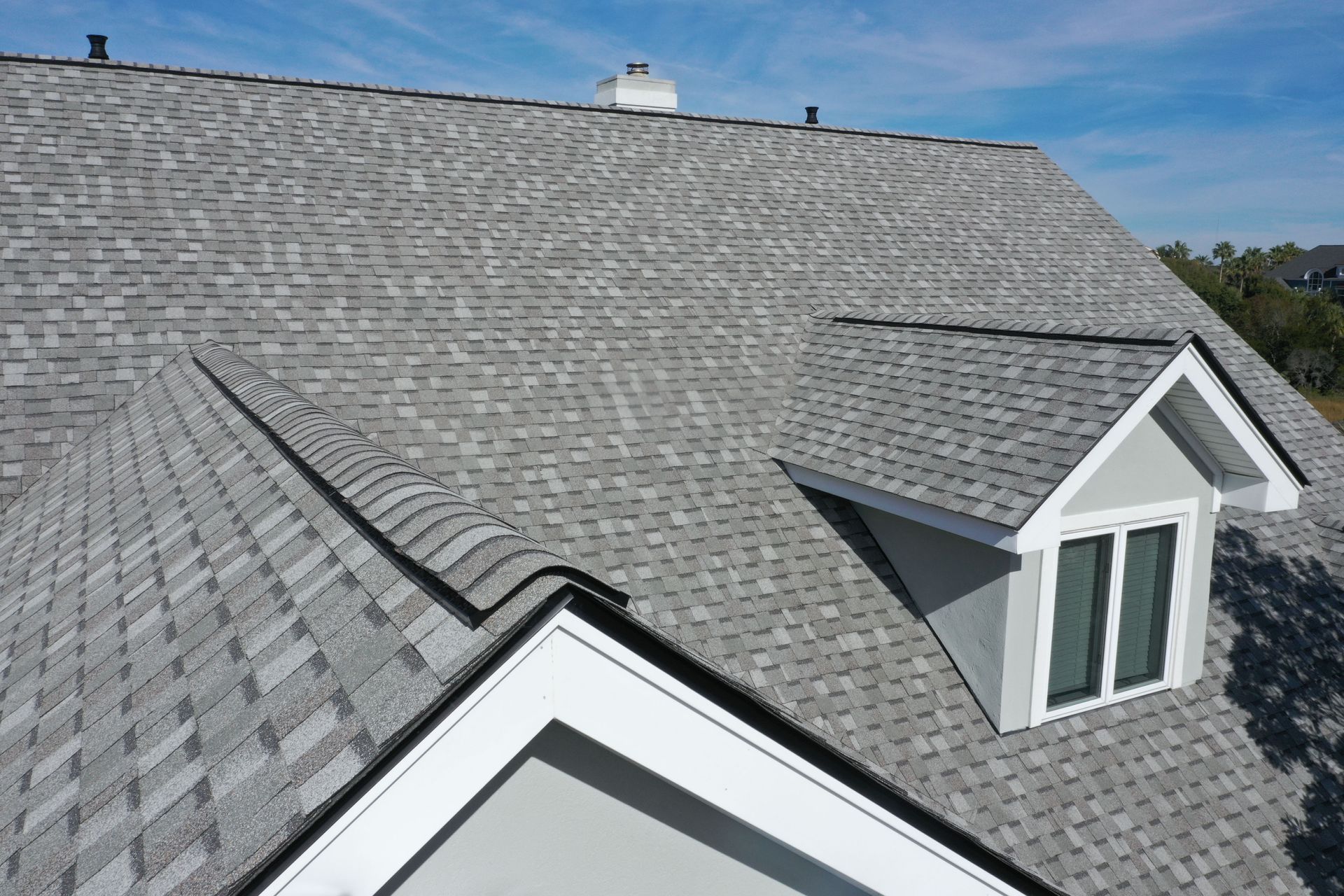
Flashing is a thin material installed around roof penetrations and vulnerable areas such as chimneys, vents, skylights, and roof valleys. Its purpose is to create a watertight seal that prevents moisture from entering the home.
Over time, flashing can crack, corrode, loosen, or separate from surrounding materials. When this occurs, water can find its way into the roof system and cause leaks.
Routine inspections can help identify damaged flashing before it leads to serious issues. Professional roofers often recommend repairing or replacing flashing at the first sign of deterioration to maintain proper water protection.
3. Clogged Gutters and Downspouts
Gutters and downspouts play an important role in directing rainwater away from the roof and foundation. When they become clogged with leaves, twigs, dirt, and other debris, water may back up onto the roof instead of flowing away properly.
Standing water can eventually seep beneath roofing materials and cause leaks. In colder climates, clogged gutters may also contribute to ice dam formation, which can further increase the risk of water intrusion.
Preventing this issue is relatively simple. Regular gutter cleaning and maintenance help ensure proper drainage throughout the year. Homeowners should inspect gutters frequently, especially during the fall and after major storms.
4. Aging Roofing Materials
No roofing system lasts forever. As roofing materials age, they gradually lose their ability to protect against moisture and environmental exposure. Shingles may become brittle, seals can weaken, and protective coatings may deteriorate.
Older roofs are naturally more vulnerable to leaks because years of exposure to sunlight, rain, snow, and temperature fluctuations take a toll on roofing components.
Routine inspections become increasingly important as a roof ages. Working with qualified roofers can help homeowners assess the condition of their roofing system and determine when repairs or replacement may be necessary.
5. Poor Roof Installation
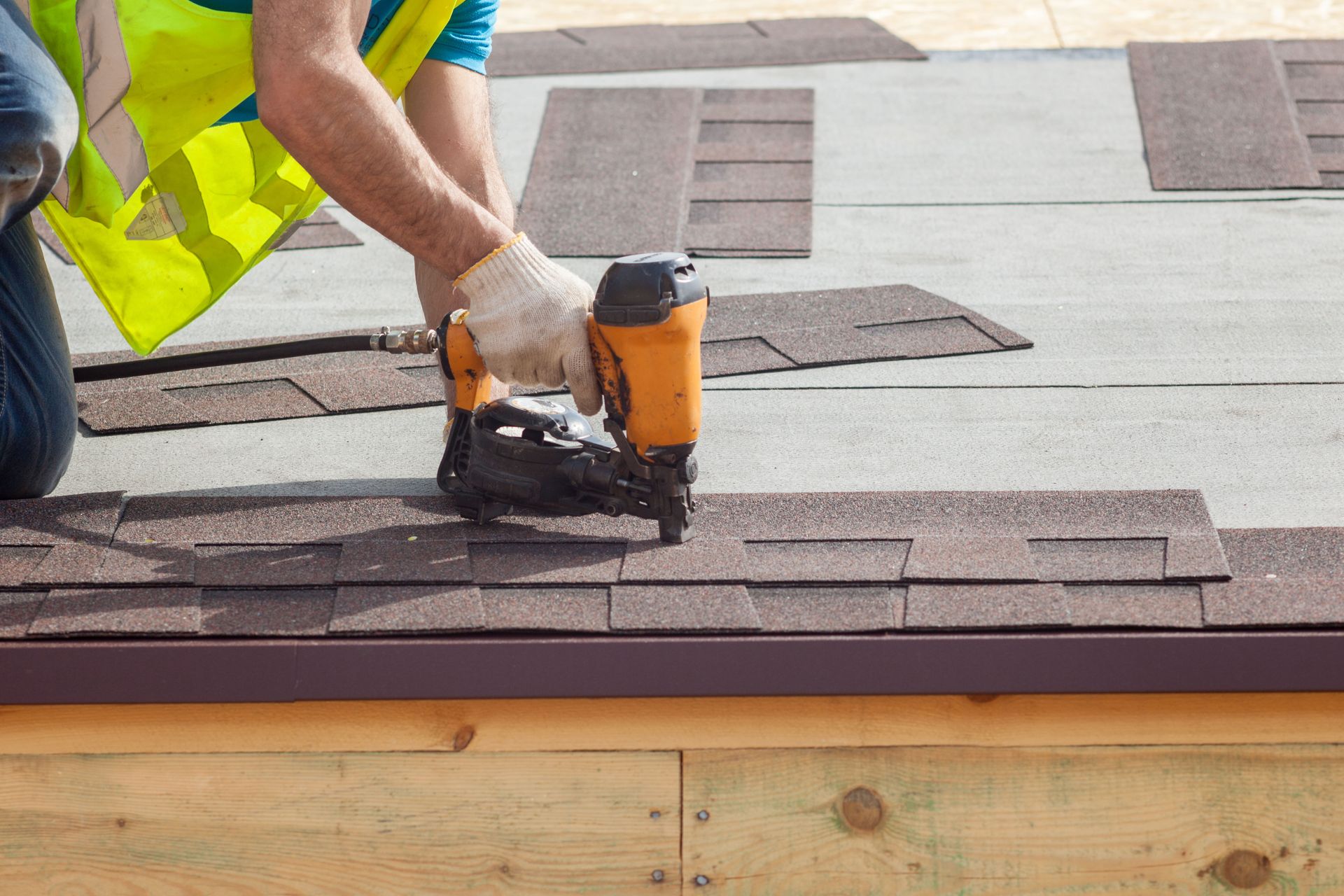
Even high-quality roofing materials can fail prematurely if they are not installed correctly. Improper installation can create weak points that allow water to penetrate the roof.
Common installation issues may include improperly placed shingles, inadequate flashing, poor ventilation, or insufficient sealing around roof penetrations. These problems may not become apparent immediately but can eventually result in leaks and structural damage.
Choosing experienced and reputable roofers for installation projects is one of the most effective ways to prevent these issues. Proper workmanship helps ensure that the roof performs as intended for many years.
6. Damaged Roof Valleys
Roof valleys are areas where two roof slopes meet, creating channels that direct water toward gutters. Because large amounts of water flow through these sections, they are particularly vulnerable to leaks.
If roofing materials in the valley become damaged or improperly installed, water may penetrate beneath the surface and enter the home. Debris accumulation can also contribute to drainage problems in these areas.
Regular inspections and prompt repairs can help keep roof valleys functioning properly. Homeowners should ensure that valleys remain free of debris and are inspected after severe weather events.
7. Problems Around Skylights
Skylights provide natural light and enhance the appearance of many homes, but they can also become sources of roof leaks if not properly maintained.
Leaks may develop when seals around the skylight deteriorate, flashing becomes damaged, or installation issues occur. Water can then enter around the edges of the skylight and cause damage to ceilings and walls.
Homeowners should periodically inspect skylights for signs of moisture, condensation, or deteriorating seals. Professional roofers can evaluate skylight installations and address any issues before they worsen.
8. Sun Exposure and UV Damage
California's abundant sunshine can be tough on roofing materials over time. Constant exposure to ultraviolet rays can cause shingles, sealants, and other roofing components to deteriorate, crack, or lose their protective properties.
As roofing materials age under prolonged sun exposure, they become more vulnerable to moisture intrusion during rainstorms. Even small cracks can allow water to penetrate beneath the roof's surface and eventually cause leaks.
Regular roof inspections and timely repairs can help identify sun-related damage before it develops into larger problems. Professional roofers can assess the condition of roofing materials and recommend solutions that help extend the roof's lifespan.
9. Roof Vent Damage
Roof vents are necessary for proper attic ventilation, but they can also become potential entry points for water. Cracked vent housings, deteriorated seals, and damaged flashing can all contribute to leaks.
Exposure to weather conditions may cause vent components to wear out over time. If these issues are not addressed promptly, water can enter through gaps and openings around the vent.
Regular roof inspections can identify vent-related problems early. Many roofers recommend replacing damaged vent components as part of routine roof maintenance.
10. Tree Damage and Debris Accumulation
Trees can enhance a property's appearance, but they can also pose risks to the roof. Overhanging branches may scrape against roofing materials during windy conditions, causing damage over time.
Falling branches can puncture shingles or create openings that allow water to enter. Additionally, leaves and debris often accumulate on roofs, trapping moisture and accelerating material deterioration.
Homeowners can reduce these risks by trimming nearby branches and regularly removing debris from the roof surface. Maintaining proper clearance between trees and the roof helps minimize potential damage.
If you suspect your roof may have damage or want to prevent future leaks, contact Regan Roofing, Inc today to schedule a professional inspection and keep your home protected year-round.
Share On: